
Deep Cleaning vs. Regular Cleaning: What's the Difference?
Regular cleaning keeps a home that is already in decent shape from sliding backward. Deep cleaning removes the buildup that routine visits skip, in places like baseboards, grout, cabinet fronts and the tops of things. If your home has not had a thorough clean in months, start with a deep clean; if it has, regular visits are usually enough.
Regular cleaning is maintenance
A regular clean, sometimes called a standard or maintenance clean, deals with the dirt a home collects in a normal week or two. Counters and sinks get wiped, bathrooms are scrubbed, floors are vacuumed and mopped, dust comes off the surfaces you can see, and the trash goes out.
It works because it repeats. Each visit removes what built up since the last one, so nothing has time to harden into grime. What it does not do is go looking for old dirt in corners and edges. If a visit starts with a layer of soap scum or greasy cabinet doors, the time goes into that and something else on the list waits.
Where a deep clean spends its extra time
A deep clean covers the same rooms as a regular one, then goes into the details that a routine visit only touches lightly or leaves alone.
Kitchen
- Grease film on cabinet doors, handles and the backsplash
- Edges where the counter meets the wall and around the sink
- Exterior of the range hood, the fridge and the dishwasher, including tops and sides
- Toe kicks below the lower cabinets
Bathrooms
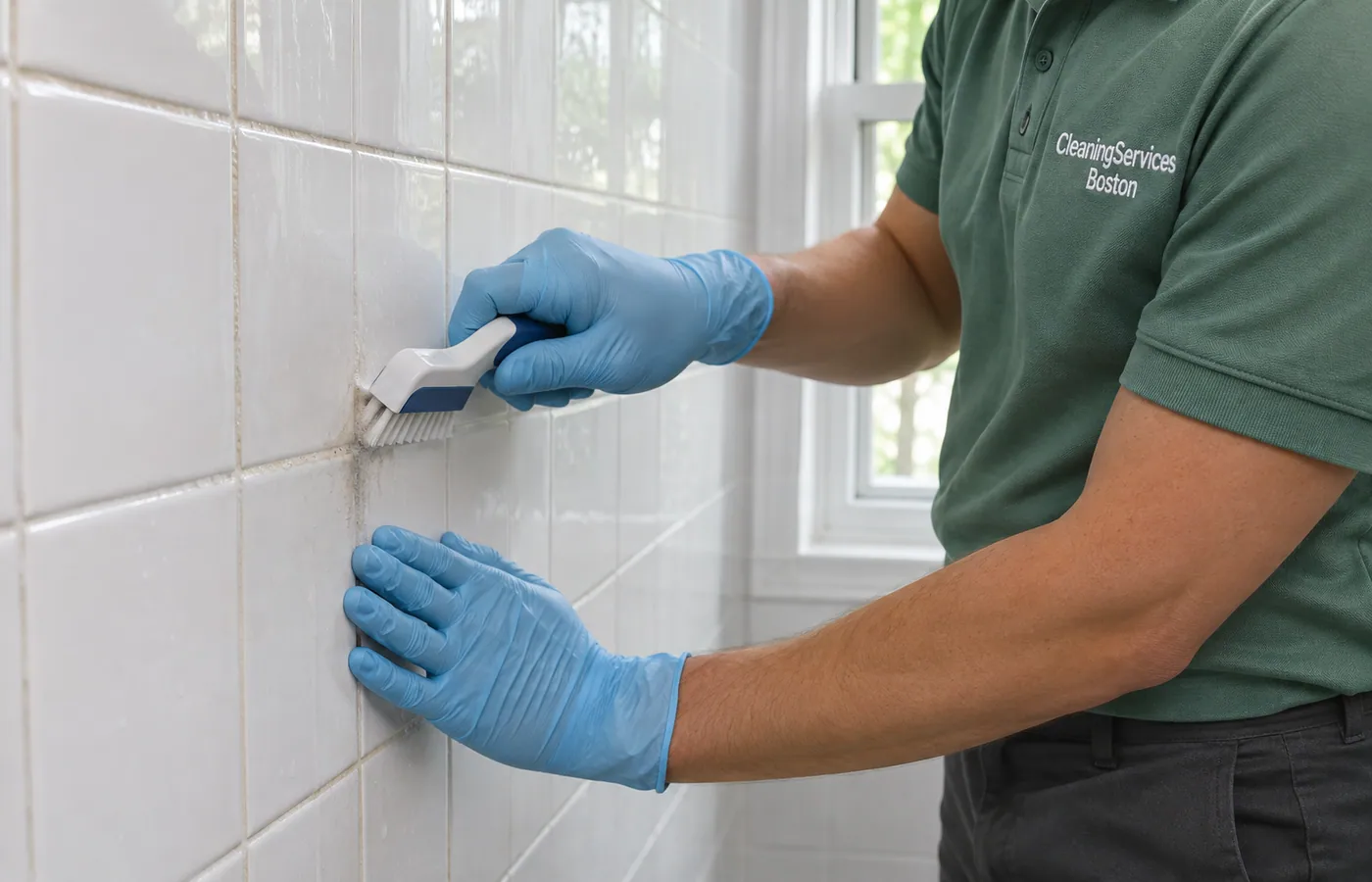
- Grout lines and corners of the tub and shower
- Hard-water marks on fixtures and glass
- The base of the toilet and the floor around it
- Vanity fronts, drawer pulls and the light fixture where reachable
Throughout the home
- Baseboards and door frames cleaned along their full length
- Doors, switch plates and handles wiped
- Radiators, vents and window sills dusted in detail
- Under and behind furniture that can be moved safely
Inside the oven, inside the fridge and interior windows take real time even on a deep clean, so ask for them in your request if you want them included.
Signs your home needs a deep clean first
You do not need an inspection to decide. Look for a few of these:
- Dust you can see on baseboards, door tops or radiators
- Dark grout or a film on the shower walls that a quick scrub does not lift
- Cabinet doors near the stove that feel tacky
- No professional or thorough clean in the last few months
- A move, a renovation, a new baby, a long illness or a busy season that put cleaning on hold
If two or more sound familiar, booking regular cleaning straight away tends to disappoint. The first visits spend their time catching up, and the home never quite looks finished. One deep cleaning resets the baseline, and the regular visits after it can stay focused on upkeep.
How often to book each one
Regular cleaning is a schedule: weekly for busy households with kids or pets, every other week for many couples and roommates, monthly for smaller or quieter homes. A recurring plan keeps the same checklist from visit to visit, and you can change the frequency when your life changes.
Deep cleaning is an occasion. A common pattern is one deep clean to start, regular visits after that, and another deep clean once or twice a year, often in spring or before guests arrive for the holidays. It also makes sense before you move in or after you move out, when cabinets and closets are empty and every surface is easy to reach. For that, a move-in or move-out cleaning is the better fit.
What this looks like in a Boston home
Older Boston apartments and triple-deckers have details that collect dust fast: cast-iron radiators, tall door and window trim, and wood floors with gaps along the edges. These are exactly the areas a regular visit cannot spend long on, and the main reason a first clean in an older building is usually a deep one.
Winter adds a second reason. From December through March, salt and sand get carried in on boots and leave a white film on entry floors, stair treads and the lower edges of baseboards. A spring deep clean is a good time to get rid of it before it dulls the finish.
How the choice affects your quote
For the same home, a deep clean takes noticeably longer than a regular one, so it costs more. The extra time is spent on the detail areas above, and the worse the buildup, the more time it takes.
The trade-off usually pays back. Once the buildup is gone, regular visits move faster because they are not fighting old grime. That is one reason a first visit is often quoted differently from the recurring visits that follow. The pricing page explains the other factors, from bedrooms and bathrooms to stairs and parking.
Neither type of cleaning includes carpet shampooing, exterior windows, mold removal or hauling things away. If any of that is on your list, it needs a specialist.
Quick questions
Can a few regular visits catch up on buildup instead of one deep clean?
Sometimes, slowly. Each visit chips away at one area while others wait, so it can take a while before the whole home feels clean. A single deep clean gets there in one visit, and after that you know exactly what each regular visit will cover.
Is a deep clean only for dirty homes?
No. Tidy homes benefit too, because detail areas like door frames and grout are easy to overlook day to day. It is also common before hosting, before listing a home, or at the start of a new season.
Which one should I ask for if I am not sure?
Describe the home honestly in your request: when it was last cleaned well and what bothers you most. We will recommend one and explain why, and you decide.